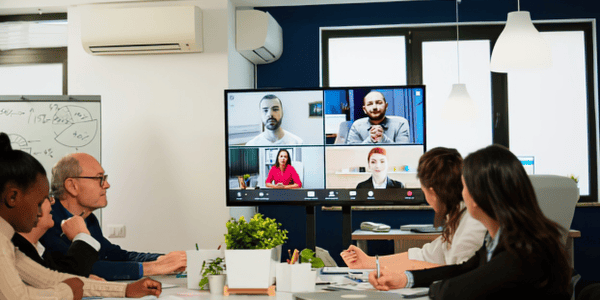


For several years, the meeting room appeared to be heading for extinction.
As remote working became mainstream and employees discovered they could collaborate from almost anywhere, many predicted that the traditional office, and the meeting spaces within it, would become obsolete.
Yet the opposite has happened.
Organisations are continuing to invest in meeting rooms, collaboration spaces and workplace technology. In many cases, they are creating more spaces than before, offering employees a wider choice of environments in which to meet, share ideas and make decisions.
The meeting room is not dead. It has simply evolved.
The traditional meeting room was designed for people who were physically present in the same space.
Everyone sat around the same table, looked at the same screen and participated in the same conversation. If somebody needed to join remotely, they were often added through a basic conference phone or laptop placed at the end of the table.
That approach no longer reflects how modern teams work.
Today, a single meeting might include people in the office, colleagues working from home, employees joining from another location and external partners connecting from another country.
The meeting room must bring all of those people together.
It is no longer simply a place to gather. It is a collaboration hub designed to create one consistent, inclusive experience for every participant, regardless of where they are joining from.
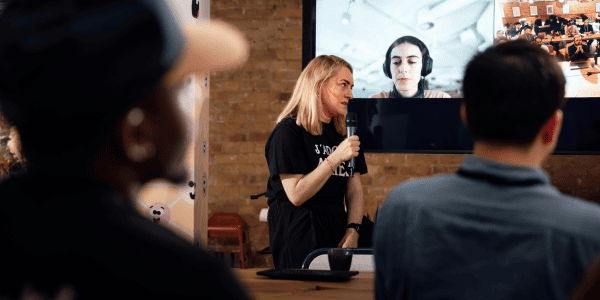
Hybrid working has given employees greater flexibility, but it has also created new challenges.
People now expect to move easily between home, office and on-the-go environments without the quality of their work being affected. They want to join meetings quickly, share content without complicated instructions and communicate without constantly worrying about whether they can be seen or heard.
When this experience goes wrong, meetings become frustrating.
Time is lost trying to connect devices. Remote participants struggle to follow the conversation. People speak over one another because of delays or poor audio. Important ideas are missed, and employees gradually lose confidence in the technology.
A modern meeting room must remove these barriers.
The experience should be intuitive from the moment someone enters the space. Meetings should start on time, content should be easy to share and every participant should feel like an equal part of the conversation.
Simply installing a display and a camera does not automatically create an effective hybrid meeting room.
The complete experience needs to be considered.
Can remote participants clearly hear everyone in the room? Can they see facial expressions and body language? Can they view shared content without losing sight of the people speaking? Are microphones positioned effectively? Does the room provide appropriate lighting and acoustic control?
The layout of the space matters too.
A camera positioned at one end of a long boardroom table may create an excellent view of the nearest participants while making everybody else appear distant. A display placed too high or too far away may make content difficult to read. Poor acoustics can make even an expensive audio system underperform.
Effective collaboration comes from combining technology, room design and user behaviour.
When these elements are considered together, remote participants no longer feel as though they are watching the meeting from the outside. They become active contributors.
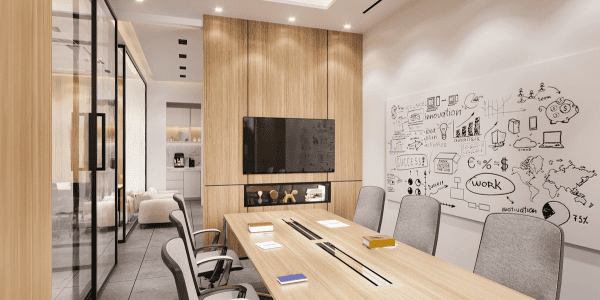
Another major change is the move away from creating the same meeting room repeatedly.
Not every conversation needs a large boardroom.
A private one-to-one call might require a small focus room with excellent acoustic privacy. A short project discussion may be better suited to a huddle space. A creative workshop might need interactive displays, wireless content sharing and flexible furniture. A company-wide presentation may require a larger collaboration studio with multiple displays and advanced audio coverage.
Modern workplaces are becoming ecosystems of purpose-built spaces.
Each environment supports a different type of activity, allowing employees to choose the space that best fits what they need to accomplish.
This makes the workplace more useful, while also helping organisations avoid overloading large meeting rooms with small meetings that could take place elsewhere.
The most effective meeting-room technology is often the technology people barely notice.
Employees should not need specialist training to begin a call. They should not have to search for the correct cable, download unexpected software or contact IT every time they want to share a presentation.
The experience should be familiar and consistent across different rooms.
That might include one-touch meeting controls, automatic camera framing, intelligent speaker tracking, wireless presentation, room-booking displays and clear room-availability indicators.
Behind that simplicity is careful planning.
The technology must work with the organisation’s chosen collaboration platforms, network infrastructure and existing workplace systems. It must also be reliable, supportable and scalable as requirements change.
The objective is not to fill the room with as much technology as possible. It is to choose the right technology and make it work effortlessly.
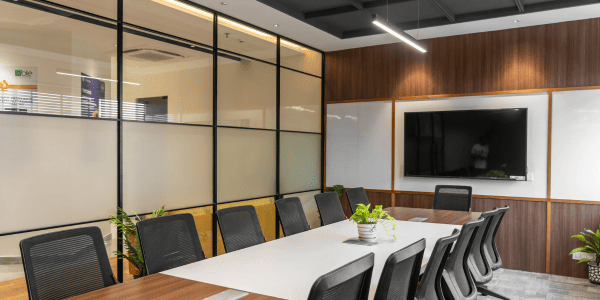
Smart meeting rooms can also help organisations understand how their workplaces are actually being used.
Room-booking platforms, occupancy sensors and workplace analytics can reveal which spaces are most popular, how frequently rooms are booked but left empty and whether certain room types are in short supply.
This information supports better decisions.
An organisation might discover that its large boardrooms are rarely used at full capacity, while smaller collaboration rooms are consistently unavailable. It might identify an opportunity to redesign underused areas or introduce more focus spaces.
Rather than making workplace decisions based on assumptions, organisations can use real evidence to create environments that reflect how employees work.
Organisations investing in meeting-room technology are not simply buying displays, cameras or microphones.
They are investing in better outcomes.
They are investing in faster collaboration, more productive meetings and better communication between distributed teams. They are reducing the time employees lose to unreliable or confusing systems. They are creating experiences that help people feel included, engaged and confident.
Ultimately, they are investing in better decisions.
This is particularly important when organisations are asking employees to spend more time in the office. People need a compelling reason to make the journey, and the workplace must offer experiences they cannot easily recreate at home.
That includes access to colleagues, shared knowledge, specialist environments and technology that makes collaboration easier—not harder.
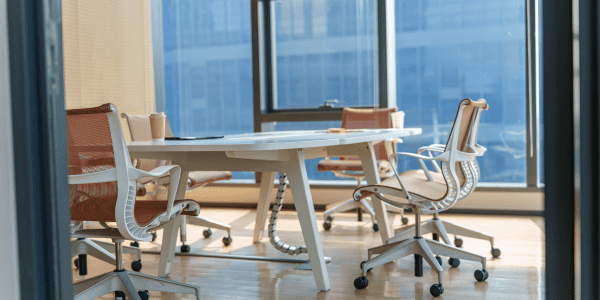
No, but the meeting room designed exclusively for people sitting around the same table is rapidly becoming outdated.
Its replacement is more flexible, intelligent and inclusive.
The modern meeting room connects physical and digital working. It adapts to different activities, supports employees wherever they are and makes collaboration feel natural.
Technology is not replacing people or removing the need to meet.
It is helping people communicate more clearly, contribute more equally and work better together.
The question is no longer whether organisations still need meeting rooms.
It is whether their current meeting rooms are ready for the way people work today.
How has your workplace changed over the last five years, and have your meeting spaces changed with it?
For many organisations, workplace technology has evolved over time rather than through a defined strategy....
Read more
Workplace technology has evolved rapidly over the past few years. Hybrid working, flexible office environments,...
Read moreLewcon will work with you to develop a solution that will best suit the needs and budget of your company.
With access to all leading brands, you can rest assured that you are getting unbiased recommendations.